
Photographing the NGV Waterwall
There is a wall at the National Gallery of Victoria, NGV, that does something most walls cannot. It moves. It glistens. It invites.
A sheet of water runs continuously down large glass plates, creating a divide that’s existed between the street and the gallery space since 1968.
For reasons I can’t fully explain, I’ve found myself returning to it, camera in hand, again and again.
I didn’t set out to make a long-term photographic project of the NGV Waterwall. But, as it happens, I can’t seem to stay away.
The People Who Reach Out
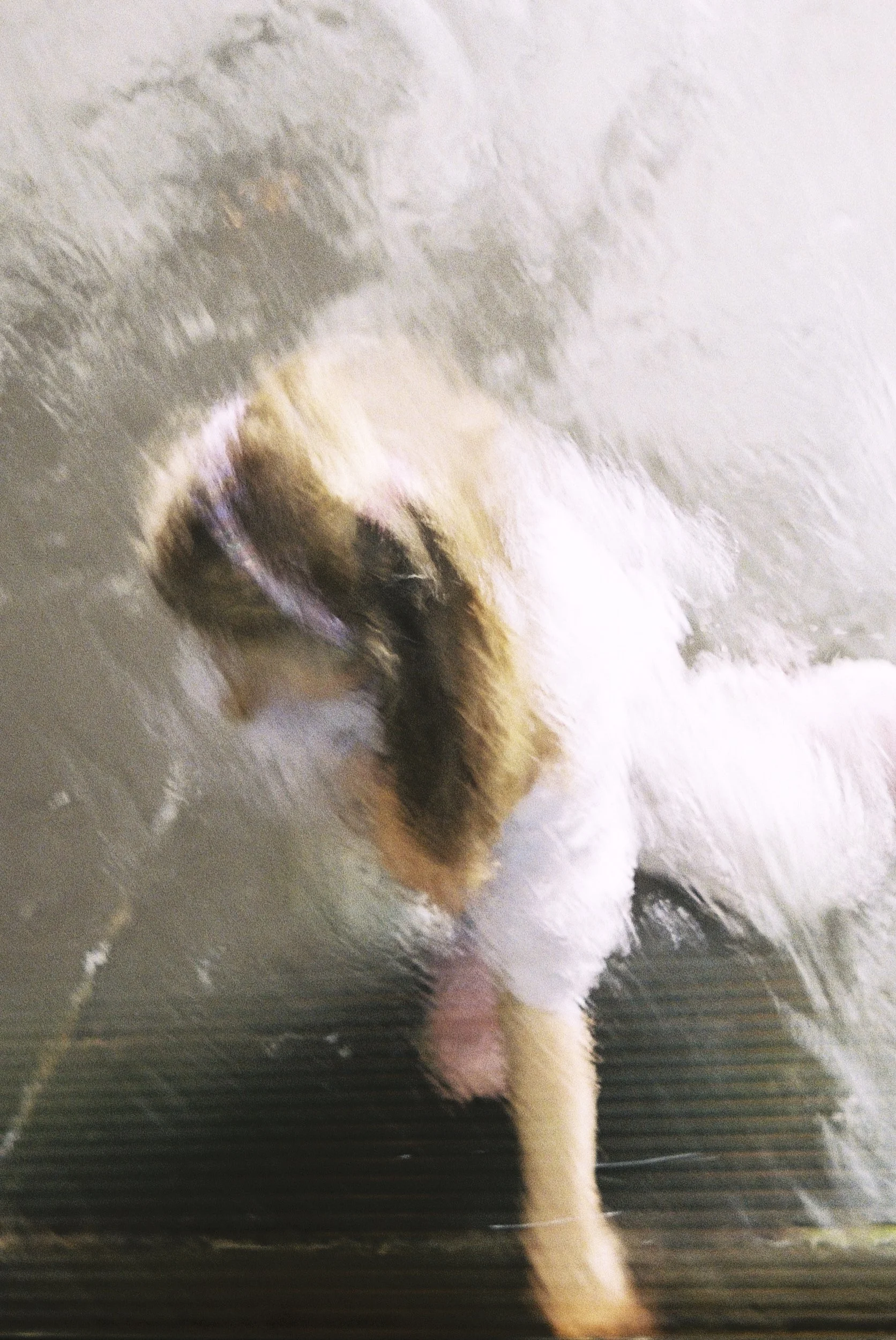
Overwhelmingly, it’s children who touch the wall. They arrive at the Waterwall the way children arrive at most things in the world: without hesitation, without self-consciousness, without the internal negotiation adults seem to require before doing something slightly unusual in public. A child seems to see the water and simply reaches towards it. Fingers splayed, arms outstretched.
I’ve photographed hundreds of these small, unrepeatable moments now: a girl in a tutu pressing her palm flat against the surface, another who made a heart shape with her fingers to inside onlookers, schoolboys running their fingers against the glass in full stride along the length of the wall, and multiple toddlers whose faces light up with joy. Children seem to understand instinctively what the wall is for. It is a small piece of theatre built for the purpose of delight and they take it exactly that way.
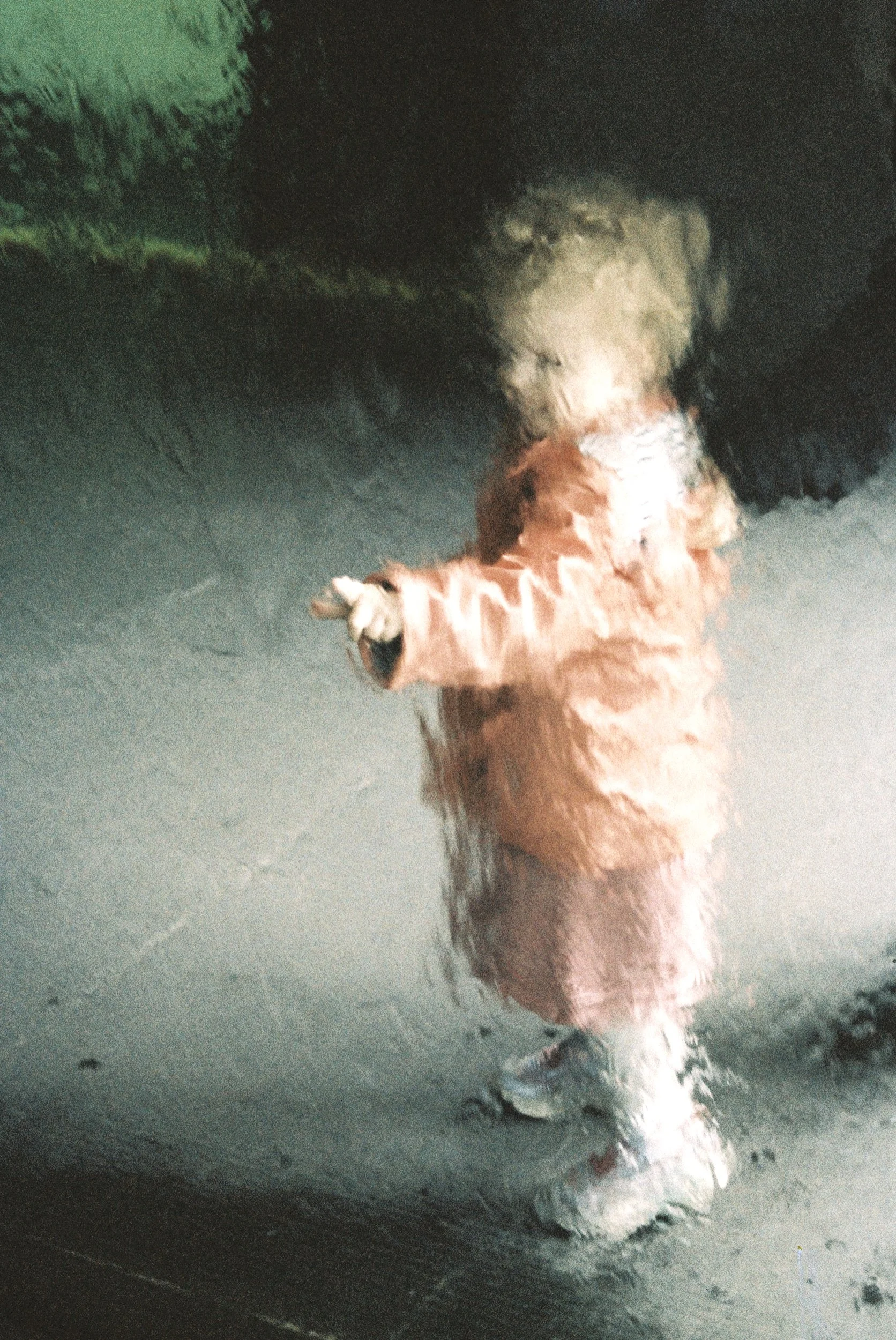
Adults are a different story, and this is where the project became something more interesting to me than a simple study of childhood interactions. Adults notice the wall too. Some slow down. Sometimes they stop and just look at it, watching the water sheet down in that hypnotic, unbroken way. But, most of the time, that’s where their interaction ends. They look, then they walk on.
Sometimes I find myself calling to them (silently, in my head) to reach out. To touch it. I want to tell them that they are allowed to still play. Somewhere underneath their work bags and phones and mental list of errands is the same person who, decades earlier, might have run straight at that wall with both hands out.
When an adult does reach out – really reach out, not just brush the surface but commit to it – I try to be ready with my camera, for those are some of my favourite frames from the project, because those images capture something rarer than childhood joy: an adult briefly permitting themselves to enjoy a childlike moment.
Made Slowly, on Purpose
The other joy of this project has very little to do with the wall itself and everything to do with how I'm choosing to photograph it. I'm shooting the entire series on an old Leica M3 camera, working through a rotation of different film stocks to see how each one handles the wall's strange mix of movement, water and light. The camera is fully mechanical, which means no autofocus, no digital preview, no light meter, no instant feedback of any kind. Just a rangefinder, control over the parameters of ISO, shutter speed, and focusing distance, and a fair amount of guesswork.
There's a particular kind of concentration that comes with shooting film through a manual rangefinder camera at a moving subject behind moving water. I can't check the back of a screen to see if I recorded the moment. I have to trust my settings, trust the framing, trust the decades-old mechanics of the camera, and let the shutter do its thing.
A session at the wall usually runs a couple of hours. I'll shoot a few rolls, watching families and commuters and school groups pass through, waiting for the moments when someone truly engages with the water rather than just walking past it.
Then the rolls go to a film lab, and I wait.
There is no version of this project where I see the image the second I make it. I have to sit with the process without knowing what will come of it.
Sometimes it's a few hours before I get the scans back to see what I’ve co-created with those who’ve reached out; sometimes it’s days.
And when the images do come back, there is always a strange mixture of results: frames that are soft or muddy or simply didn't work, sitting right alongside one or two that hold something unexpected. A gesture I didn't consciously see through the viewfinder. A quality of light the camera caught better than my eye did.
Occasionally, a moment that feels like it has more life in it than I remember the actual scene having.
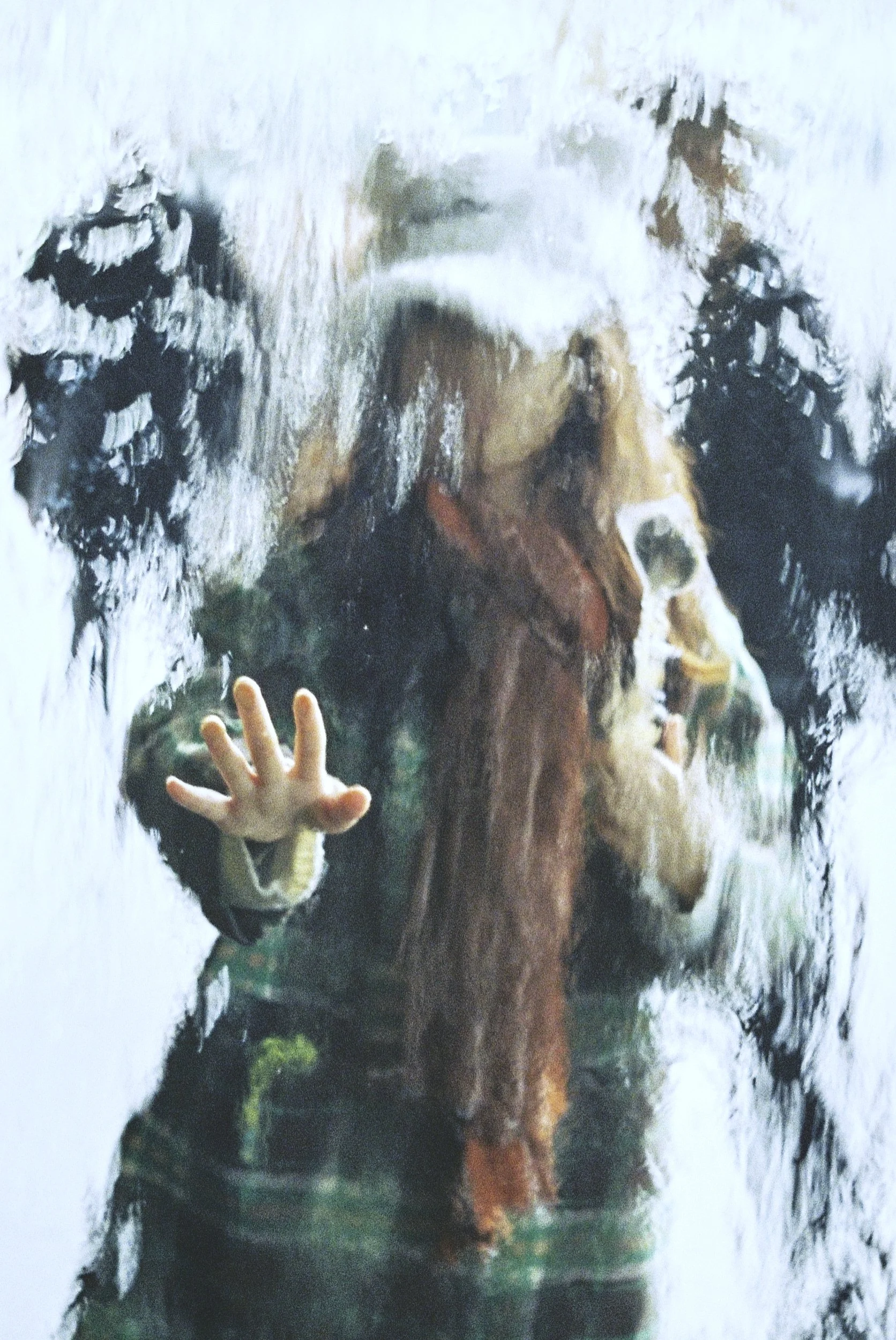
That gap between making images and seeing is where the magic lives.
It's slow, it's arguably inefficient, and it is completely at odds with how most images are made and consumed now.
But I think that slowness is doing real work on the pictures themselves. It forces a kind of patience that mirrors the patience the Waterwall asks of everyone who walks past it: stop, wait, and let something happen that you can't fully control.
I don't know exactly how long I'll keep returning to the wall. For now, I'm still finding new things in it. New light, new small hands reaching toward the water.
If you find yourself walking past the NGV Waterwall and you feel the pull to stop, I'd encourage you to listen to that urge. Reach out and touch it. See what sparks. And, if you see me on the other side, please come say hello.
